
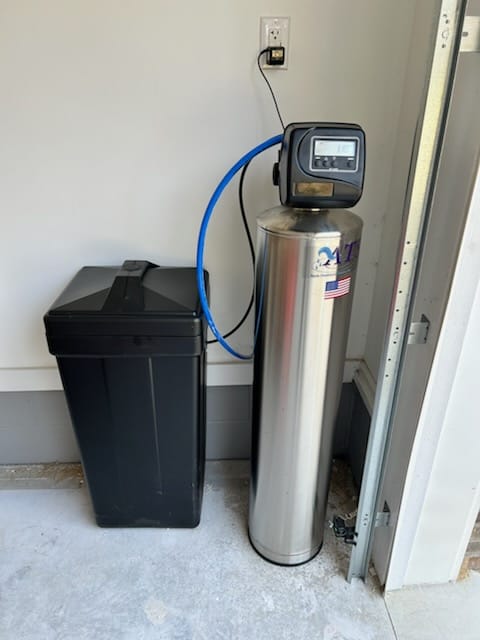
If you’ve ever noticed an off-putting taste or smell coming from your tap water in Fayetteville, Hope Mills, Spring Lake, or the surrounding area, you’re not imagining things. The water flowing through your home picks up a variety of minerals, chemicals, and compounds along the way that directly affect how it tastes and smells. The right water filtration system can make a noticeable difference in the quality of every glass you pour.
Why Does My Tap Water Have a Strange Smell or Taste?
Municipal tap water goes through a treatment process before it reaches your home, but that process itself can introduce flavors and odors that many homeowners find unpleasant. Additionally, the condition of local infrastructure and the source of the water both play a role in what ends up coming through your faucet.
- Chlorine and chloramines. Municipal water systems use these disinfectants to treat water before distribution, and they often leave behind a noticeable chemical taste and smell.
- Aging pipes and infrastructure. Older water mains and household plumbing can introduce trace amounts of rust, sediment, and other materials that alter the flavor of your water.
- Seasonal changes in source water. Temperature shifts and weather events can affect the Cape Fear River and other local water sources, leading to fluctuations in taste and odor throughout the year.
- Dissolved organic compounds. Naturally occurring organic matter in the water supply can produce earthy or musty flavors, especially during warmer months when algae levels tend to rise.
Why Does My Well Water Taste Metallic?
For homeowners in the Fayetteville area who rely on private wells, a metallic taste is one of the most frequently reported water quality complaints. Well water draws directly from underground aquifers, and the geology of the surrounding soil and rock has a major influence on what ends up in your glass.
- Iron content. Elevated iron levels are common in well water throughout the region and are one of the primary causes of a metallic or bitter taste.
- Manganese. Often found alongside iron, manganese contributes to an unpleasant metallic flavor and can also cause dark staining on fixtures and laundry.
- Low pH levels. Acidic water can corrode plumbing components, pulling trace metals like copper and zinc into your water and creating a distinct metallic taste.
- Hydrogen sulfide. While more commonly associated with a rotten egg smell, hydrogen sulfide can also contribute to an overall unpleasant flavor profile in well water.
- Lack of regular testing. Unlike municipal systems, private wells are not monitored by local authorities, so changes in water quality can go unnoticed without periodic professional testing.
Does a Water Filter Really Make a Difference in Water Taste?
The short answer is yes. A properly selected and maintained water filter can dramatically improve the taste and smell of your water by reducing the specific contaminants responsible for those unpleasant flavors. Whether you’re dealing with chlorine from the municipal supply or iron from a private well, the right filtration system targets those compounds at the source.
Many homeowners in Fayetteville and the surrounding towns notice an immediate difference after installing a filtration system – like water that once had a chemical bite or metallic edge becoming noticeably more pleasant to drink. This improvement frequently leads to increased water consumption, better tasting coffee and tea, and a reduced reliance on bottled water.
It’s worth noting that not every filter delivers the same results. The effectiveness of any system depends on matching the right technology to the specific issues present in your water. That’s why professional water testing is such a valuable first step before investing in any filtration solution.
Does the Type of Water Filter Affect the Taste?
Absolutely. Different filtration technologies are designed to target different contaminants, which means the type of system you choose has a direct impact on how your water tastes. Selecting the right filter starts with understanding what’s in your water and which technology is best suited to address it.
- Activated carbon filters. These are highly effective at reducing chlorine, chloramines, and organic compounds that cause chemical tastes and odors in municipal water.
- Reverse osmosis systems. Reverse osmosis provides comprehensive contaminant reduction, removing dissolved minerals, metals, and chemical compounds that affect both taste and odor.
- Iron and manganese filters. Specialty filters designed specifically for iron and manganese are ideal for well water homeowners dealing with persistent metallic flavors.
- Whole-home filtration systems. These systems treat water at every tap in your home, delivering consistent quality improvement for drinking, cooking, and even bathing.
- Point-of-use filters. Installed at a single faucet or under the sink, these filters are a practical option for homeowners who want targeted improvement at their primary drinking water source.
How Do I Know if My Water Filter Is Improving My Water Quality?
The most obvious indicator is taste. If your water had a noticeable chemical, metallic, or earthy flavor before installation and that flavor has diminished or disappeared, your filter is doing its job. Many homeowners also notice that beverages made with filtered water, like coffee, tea, and juice concentrates, taste noticeably better as well.
Beyond taste, there are other signs to watch for. Reduced staining on fixtures and glassware, less buildup in kettles and coffee makers, and fewer mineral spots on dishes can all point to improved water quality throughout the home.
However, the most reliable way to confirm your filter’s performance is through periodic water testing. A professional test can measure contaminant levels before and after filtration, giving you concrete data on how well your system is performing. Regular testing also helps you stay on top of filter maintenance and replacement schedules so your system continues to deliver consistent results over time.
Find the Right Filtration Solution for Your Home
Whether you’re on city water or a private well, the quality of your water directly affects how it tastes and how much you enjoy drinking it. At Southeast Water Solutions, we help homeowners in Fayetteville, Hope Mills, Spring Lake, and the surrounding communities identify the right filtration system for their specific needs.
Contact us today to schedule a free in-home water test and take the first step toward better tasting water.