
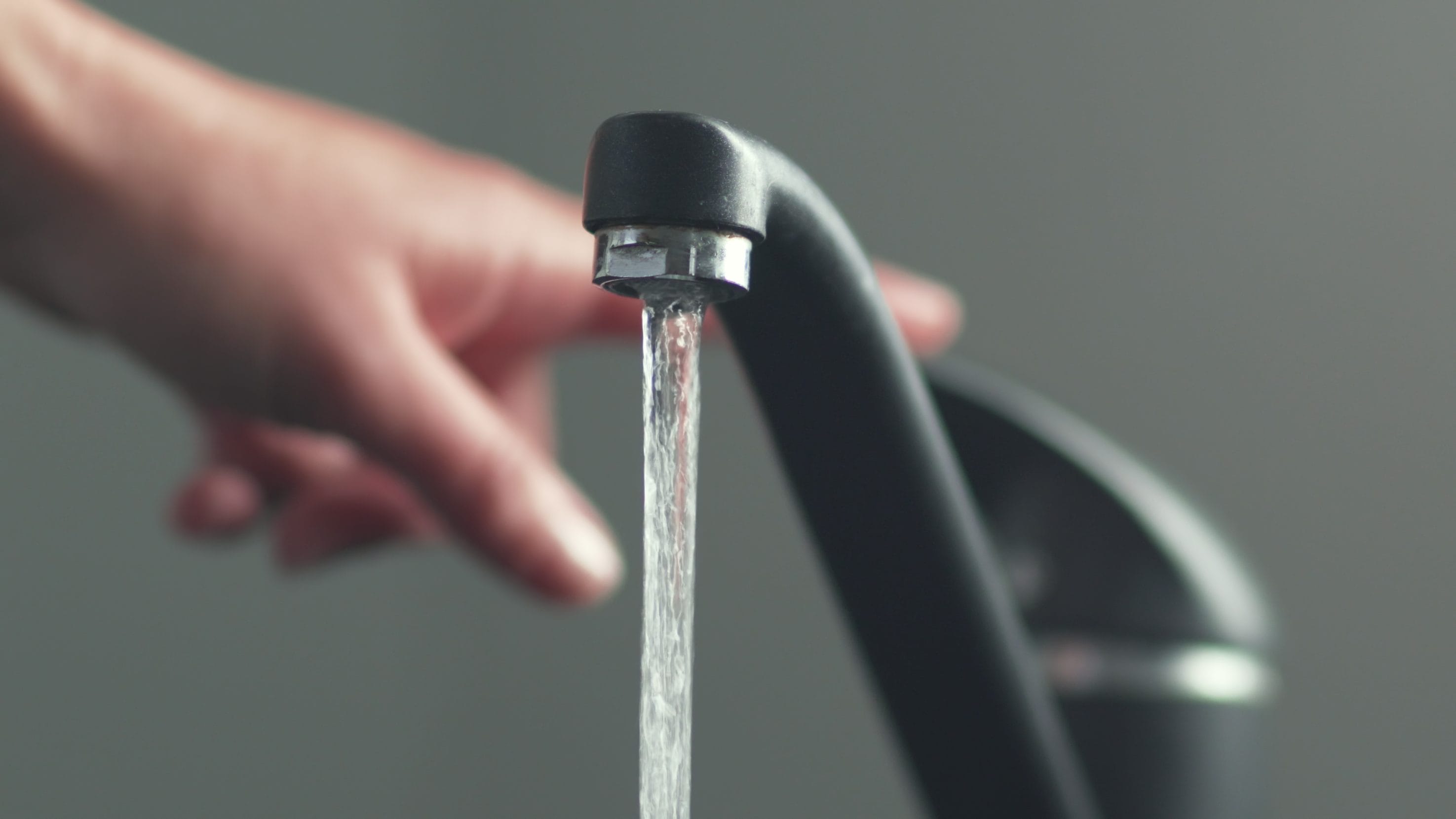
Homeowners in Fayetteville, Hope Mills, Raeford, and surrounding towns deal with hard water more often than most people realize. The minerals hiding in your water supply might seem harmless, but over time they can quietly damage the appliances your household depends on every day. Understanding how hard water works and what it does to your home is the first step toward preventing costly repairs down the road.
What Is Hard Water? What Causes It?
Hard water contains elevated levels of dissolved minerals, primarily calcium and magnesium, that are picked up naturally as water travels through layers of rock and soil before reaching your tap. In many parts of southeastern North Carolina, local groundwater sources carry these minerals in varying concentrations depending on the area’s geology.
While hard water isn’t typically considered a health risk, it does create real, measurable problems throughout your home. Those dissolved minerals don’t simply disappear when you turn on the faucet. Instead, they accumulate inside your plumbing, fixtures, and appliances as a stubborn, chalky residue commonly known as limescale or scale buildup.
As time goes on, that buildup restricts water flow, reduces water quality, and puts unnecessary strain on the systems you rely on every day. The longer hard water goes untreated, the more damage it causes and the more expensive those problems become to fix. That’s why so many homeowners in the Fayetteville and Hope Mills area are taking a closer look at their water quality.
Does Hard Water Actually Damage Home Appliances?
The minerals in hard water are more than just a cosmetic annoyance. They pose a slow, steady threat to the appliances your household depends on most. As calcium and magnesium deposits accumulate inside your systems over weeks and months, they quietly force appliances to work harder, run longer, and break down far sooner than they should.
- Reduced efficiency. Limescale coats heating elements and internal surfaces, forcing appliances to consume more energy just to reach the same temperatures.
- Increased wear and tear. Components clogged with mineral buildup experience added friction and mechanical stress, leading to premature breakdowns.
- Shortened lifespan. Appliances consistently exposed to hard water may fail years before their expected replacement date.
- Expensive repairs. Scale-related damage frequently affects internal parts that are expensive to service, including pumps, valves, and heating elements.
- Higher utility bills. As appliances lose efficiency due to buildup, your monthly energy and water costs steadily climb right along with it.
Which Appliances Are Most Commonly Affected by Hard Water?
Any appliance that uses water is susceptible to mineral buildup, but some are hit harder than others. The appliances that heat water or cycle it repeatedly tend to accumulate scale the fastest and suffer the most significant performance losses over time.
- Water heaters. Scale insulates the heating element from the water, forcing the unit to work overtime and driving up energy costs significantly.
- Dishwashers. Mineral deposits clog spray arms and jets, leaving dishes spotted, filmy, and poorly cleaned even after a full cycle.
- Washing machines. Buildup reduces water flow and detergent effectiveness, resulting in dingy, stiff laundry and added strain on internal components.
- Coffee makers and ice machines. Smaller appliances with narrow water lines are especially vulnerable to blockages and reduced output.
- Tankless water heaters. Despite their modern design, these units are highly sensitive to scale buildup, which can restrict flow and trigger error codes.
What Are the Warning Signs of Hard Water Buildup?
Hard water doesn’t announce itself with one dramatic failure. Instead, it reveals itself through a pattern of small, easy-to-overlook clues that gradually worsen over time. Recognizing these warning signs early can help you take action before costly repairs become unavoidable.
- White, crusty deposits around faucets and showerheads. This visible limescale is one of the most obvious indicators that your water has a high mineral content.
- Spots and film on glassware and dishes. If your dishwasher leaves behind a cloudy residue no matter what detergent you use, hard water is likely the culprit.
- Dry, irritated skin and flat hair after showering. Hard water minerals interfere with soap lather and leave a residue on your skin and hair.
- Declining water pressure. Scale buildup inside pipes gradually narrows the opening, reducing flow throughout your home.
- Appliances requiring more frequent repairs. If your water heater or dishwasher seems to need service more often than expected, mineral buildup could be the underlying cause.
What Are the Most Effective Ways To Prevent Hard Water Damage?
Addressing hard water at the source is the most reliable way to protect your home’s plumbing and appliances from long-term mineral damage. While there are several approaches, the right solution depends on your water quality, household size, and specific concerns.
- Install a whole-home water softener. A professionally installed water softening system removes calcium and magnesium before they ever reach your appliances, stopping scale buildup at the source.
- Schedule a professional water test. Knowing exactly what’s in your water helps determine the right treatment approach for your home’s specific conditions.
- Flush your water heater annually. Regular flushing helps clear sediment from the tank, extending the life of the unit and maintaining efficiency.
- Clean faucet aerators and showerheads regularly. Soaking these fixtures in vinegar dissolves minor mineral deposits and helps maintain consistent water pressure.
- Work with a local water treatment expert. A trusted professional who understands the water conditions in southeastern North Carolina can recommend a tailored solution that fits your home and budget.
Protect Your Home With Cleaner, Softer Water
Hard water problems don’t fix themselves. They only get worse with time. At Southeast Water Solutions, our family-owned team has been helping homeowners across the Cape Fear region tackle hard water issues since 1996. With free on-site water testing and expert recommendations tailored to your home, we make it simple to find the right solution.
Contact us today to schedule your free water test and take the first step toward protecting your appliances.